Ancient & Classical Speeches
Orations from antiquity (Greeks, Romans, and ancient leaders) shaping democratic philosophy, law, civic duty, and political rhetoric.
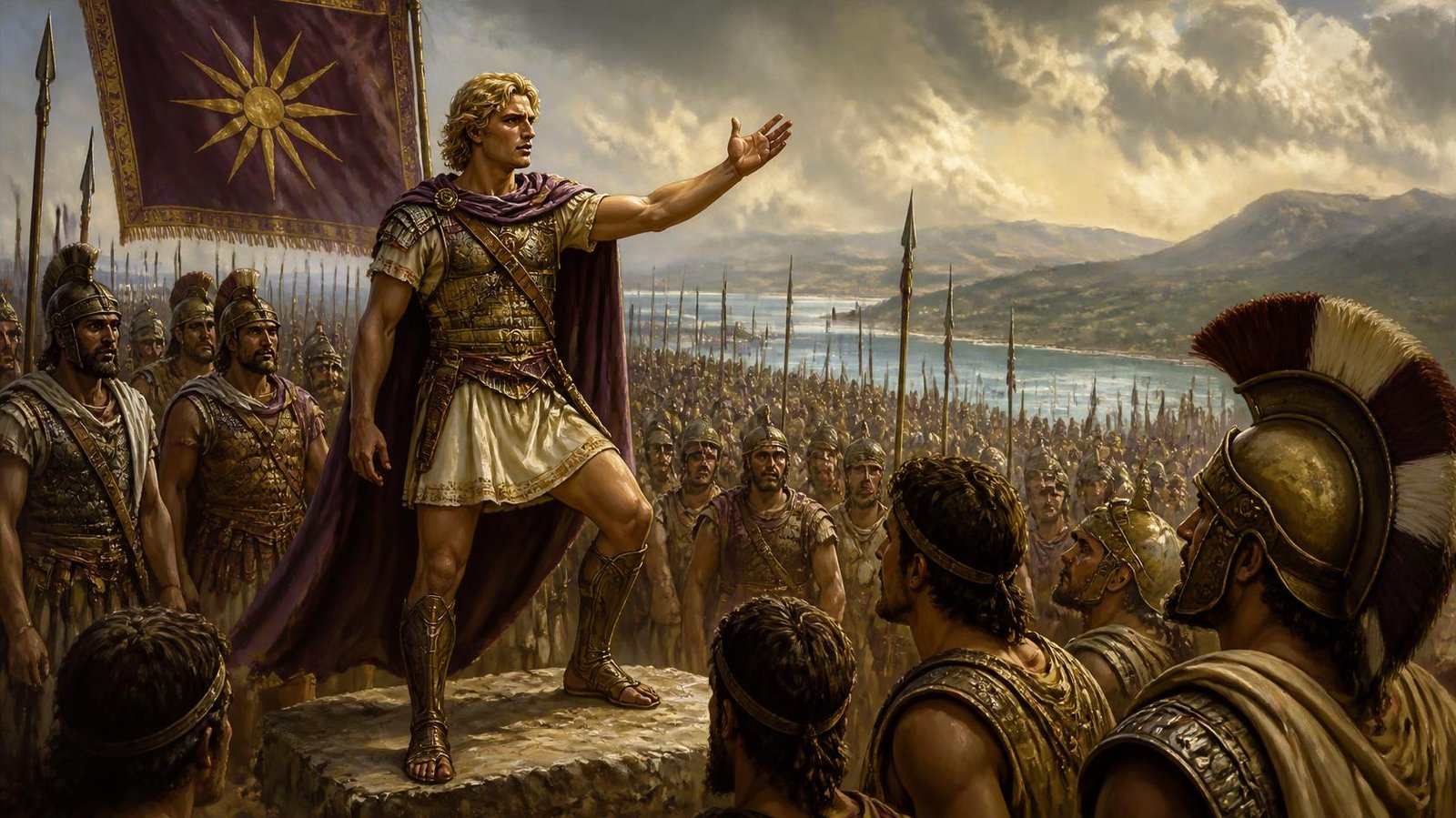
Mutiny at Opis Speech
— Alexander the Great (King of Macedonia)
"I shall make you all subjects of envy to those who stayed at home... go then, and tell them that your King Alexander led you across the Hellespont and conquered the Persian Empire."
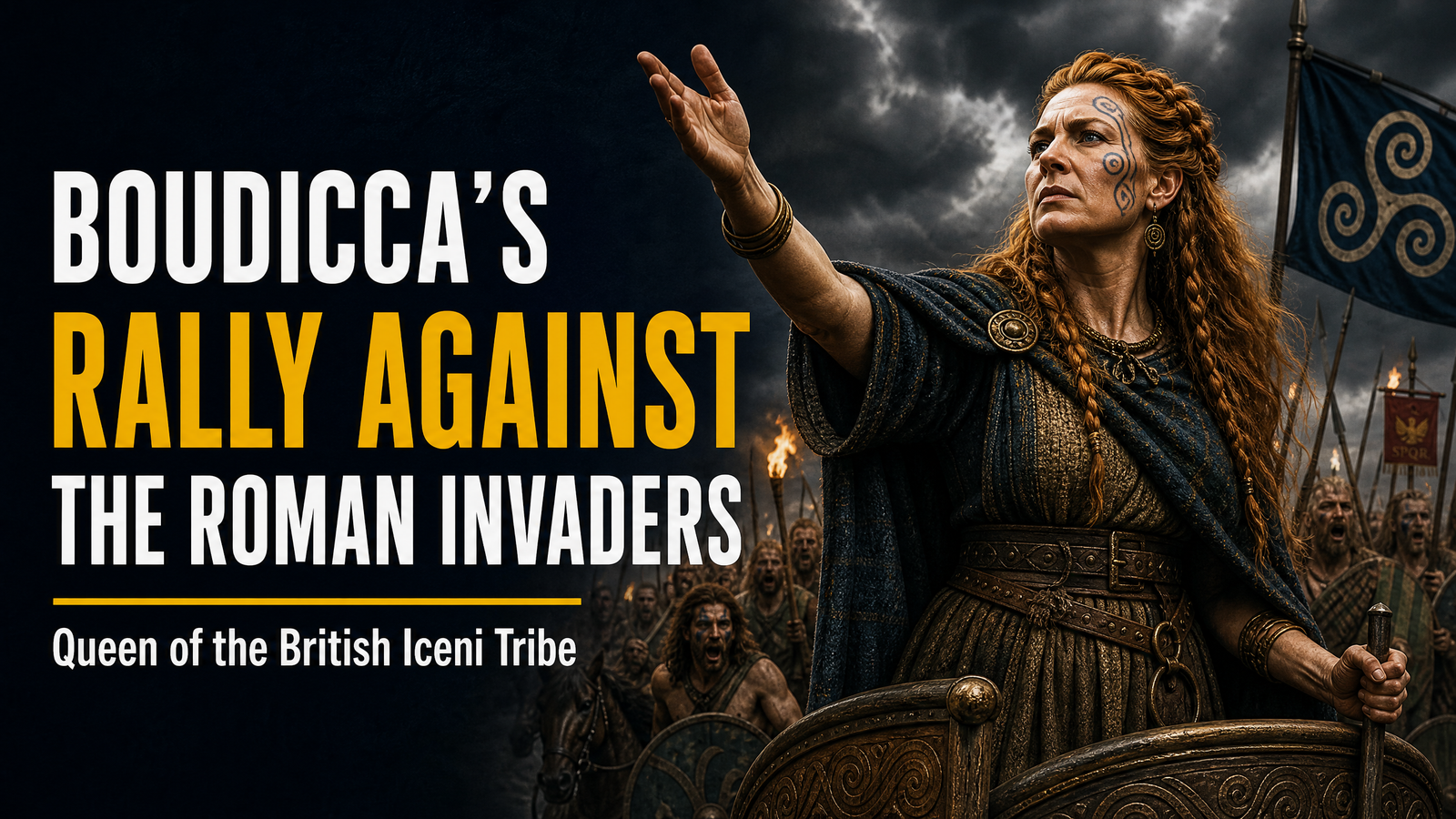
Rally Against the Roman Invaders
— Boudicca (Queen of the British Iceni Tribe)
"I am not fighting for empire or wealth, but as an ordinary woman who has lost her freedom, whose body has been tortured, and whose daughters have been outraged."
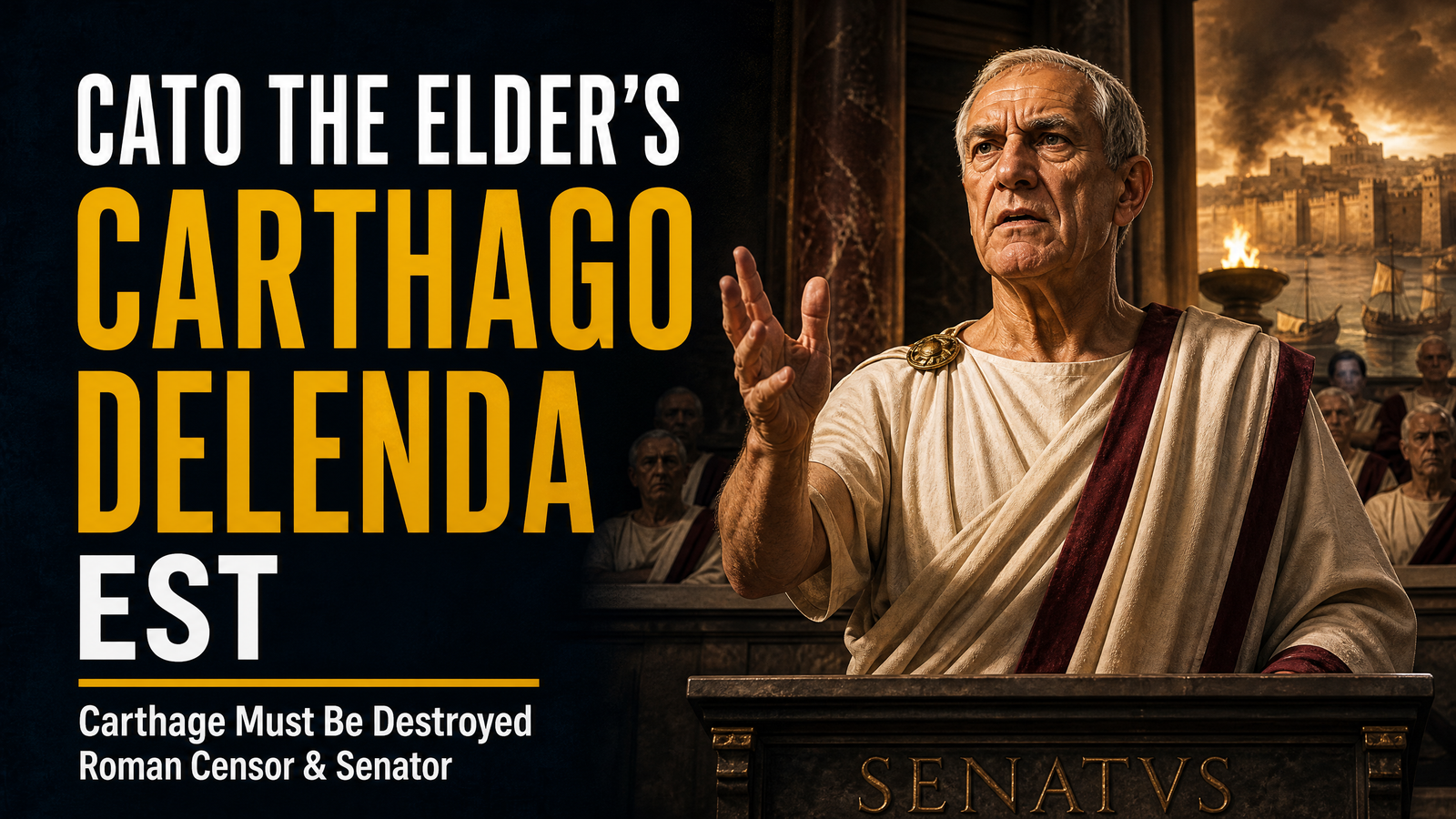
Carthago Delenda Est (Carthage Must Be Destroyed)
— Cato the Elder (Roman Censor & Senator)
"Ceterum censeo Carthaginem esse delendam. (Furthermore, I hold that Carthage must be destroyed.)"
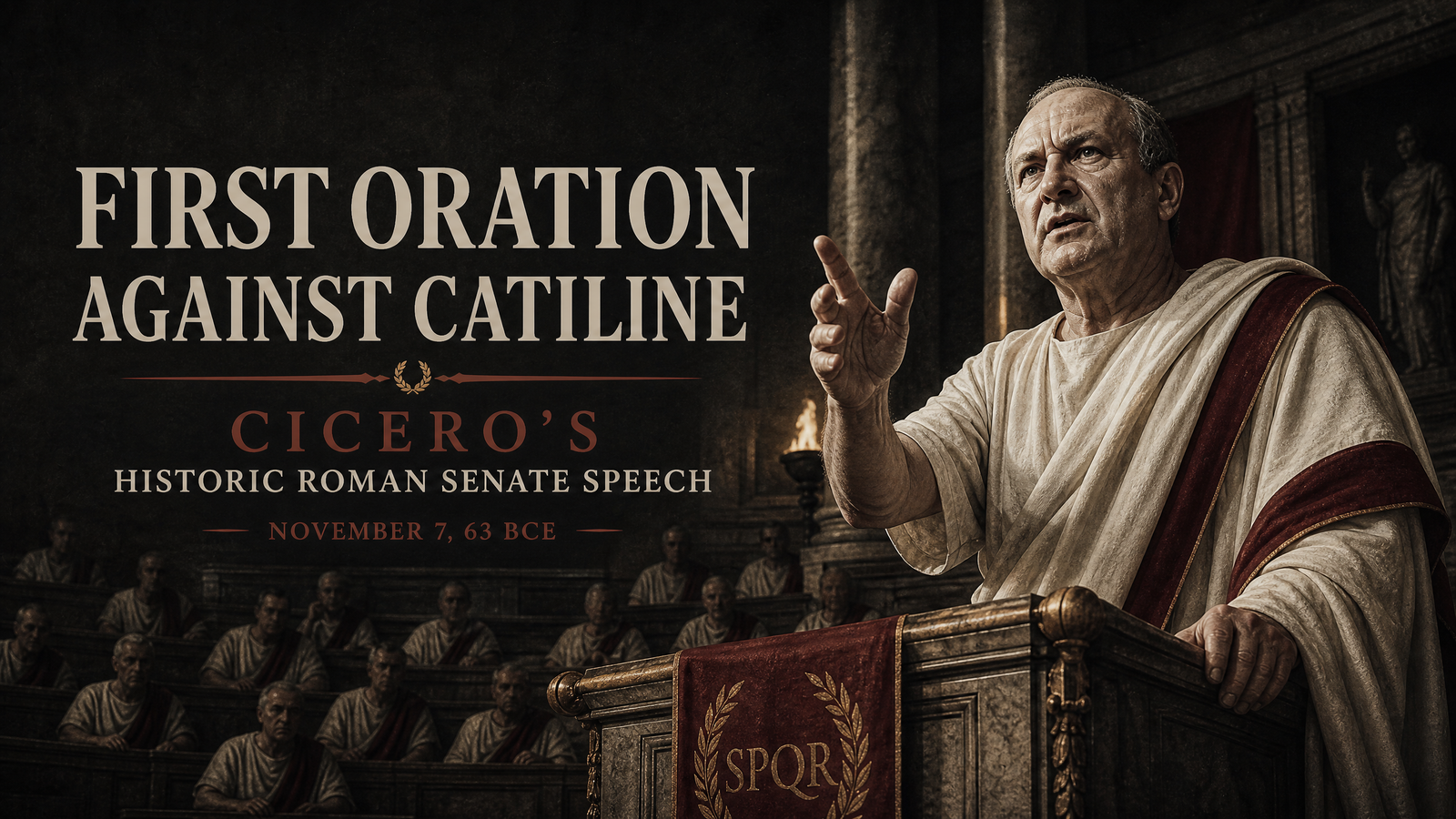
First Oration Against Catiline
— Cicero (Roman Consul & Orator)
"Quousque tandem abutere, Catilina, patientia nostra? (How long, Catiline, will you abuse our patience?)"
The Second Philippic Against Mark Antony
— Cicero (Roman Statesman and Orator)
"I defended the Republic when I was young; I will not desert it now that I am old."
Third Philippic
— Demosthenes (Athenian Statesman & Orator)
"If anyone regards Philip as fortunate because he sees him successful, he reasons as a prudent observer; for fortune has a great share—or rather the whole share—in human affairs. But yet if I were given the choice, I should prefer the fortune of our city to his."
The Sermon on the Mount
— Jesus of Nazareth (Religious Leader & Teacher)
"Blessed are the meek: for they shall inherit the earth."
The Die Is Cast ('Alea Iacta Est')
— Julius Caesar (Roman General and Dictator)
"The die is cast. Let us accept the challenge of the gods and our enemies."
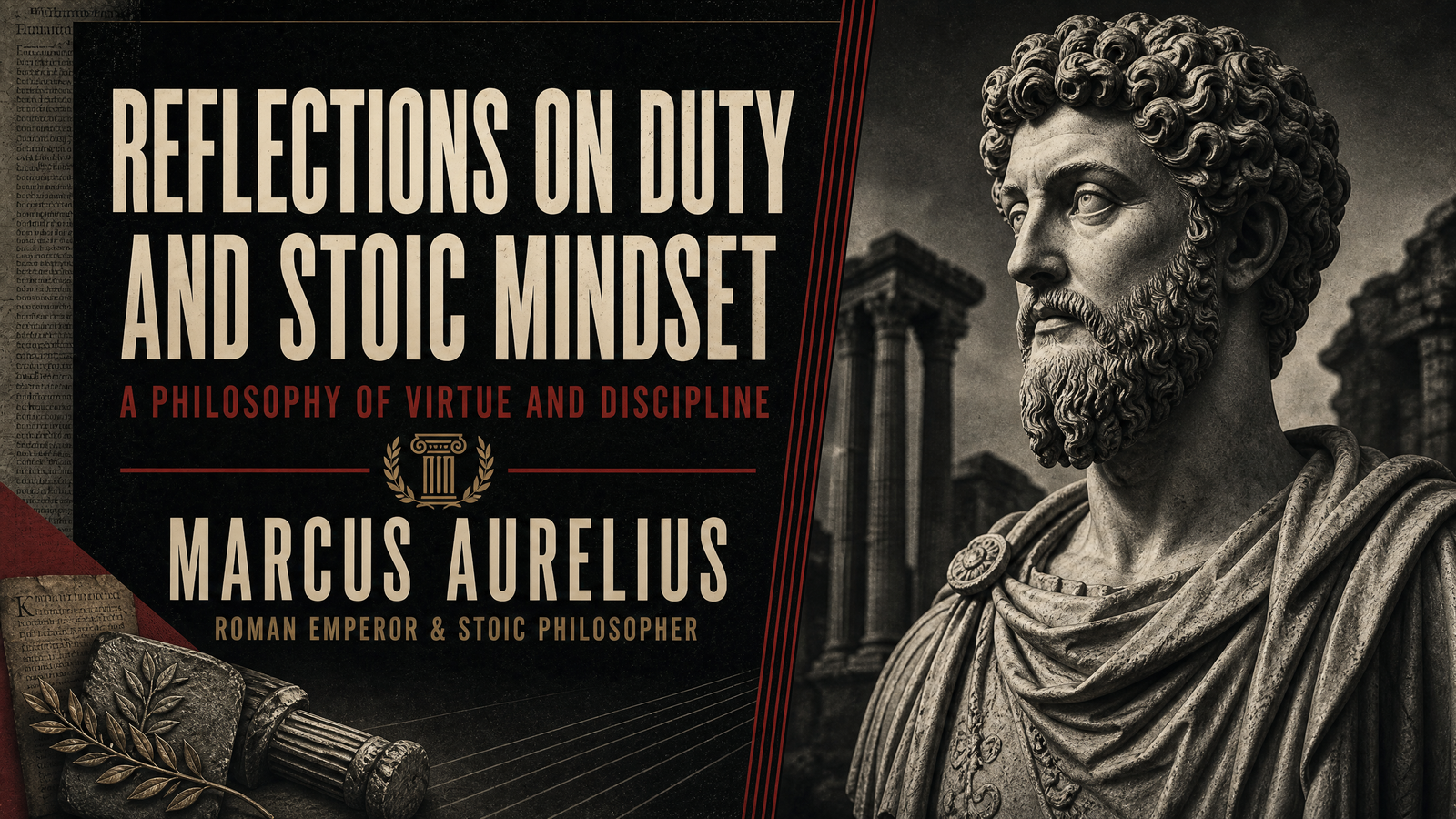
Reflections on Duty and Stoic Mindset
— Marcus Aurelius (Roman Emperor & Stoic Philosopher)
"You have power over your mind—not outside events. Realize this, and you will find strength."
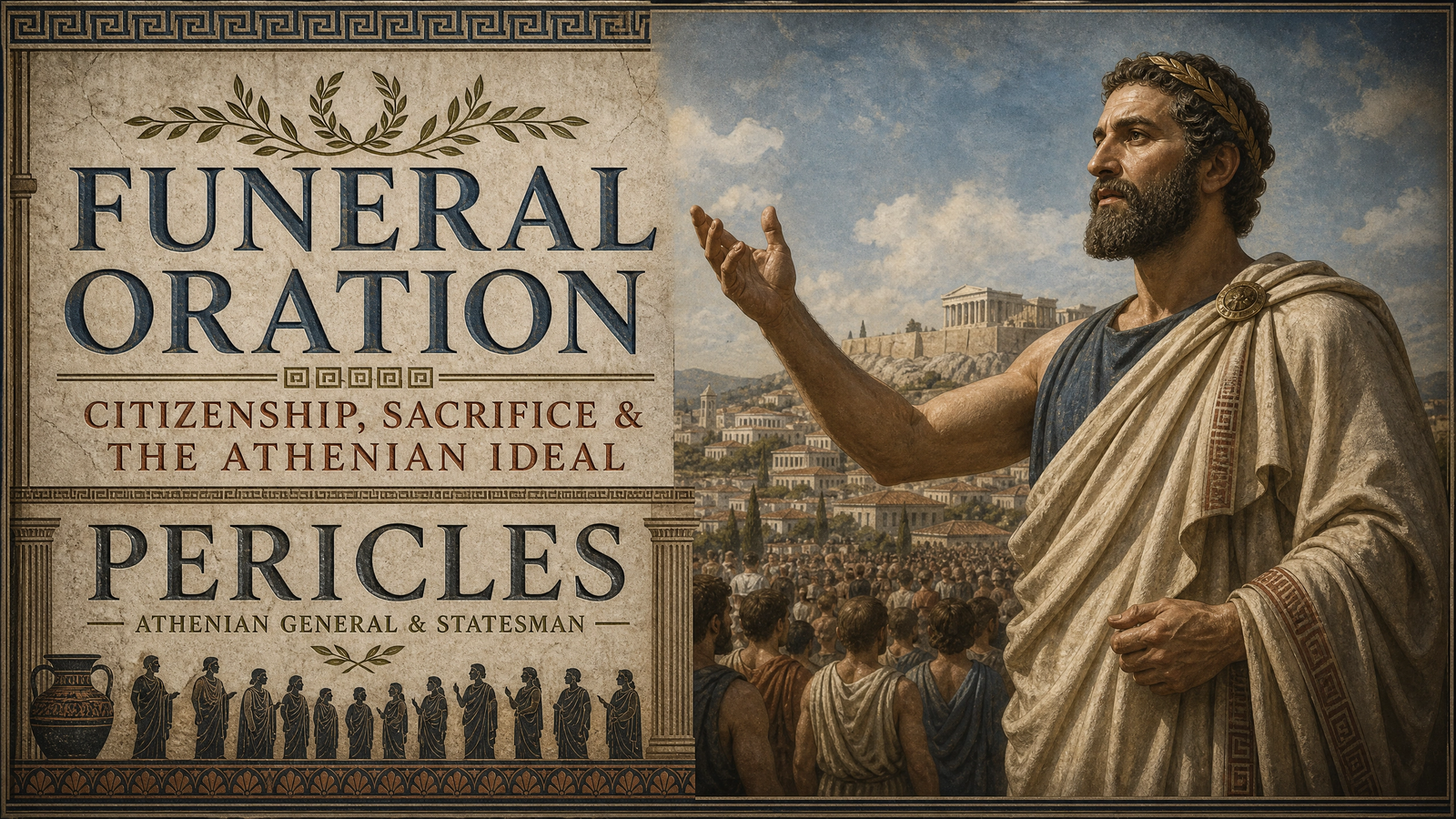
Funeral Oration of Pericles
— Pericles (Athenian General & Statesman)
"Our constitution does not copy the laws of neighbouring states; we are rather a pattern to others than imitators ourselves. Its administration favours the many instead of the few; this is why it is called a democracy."
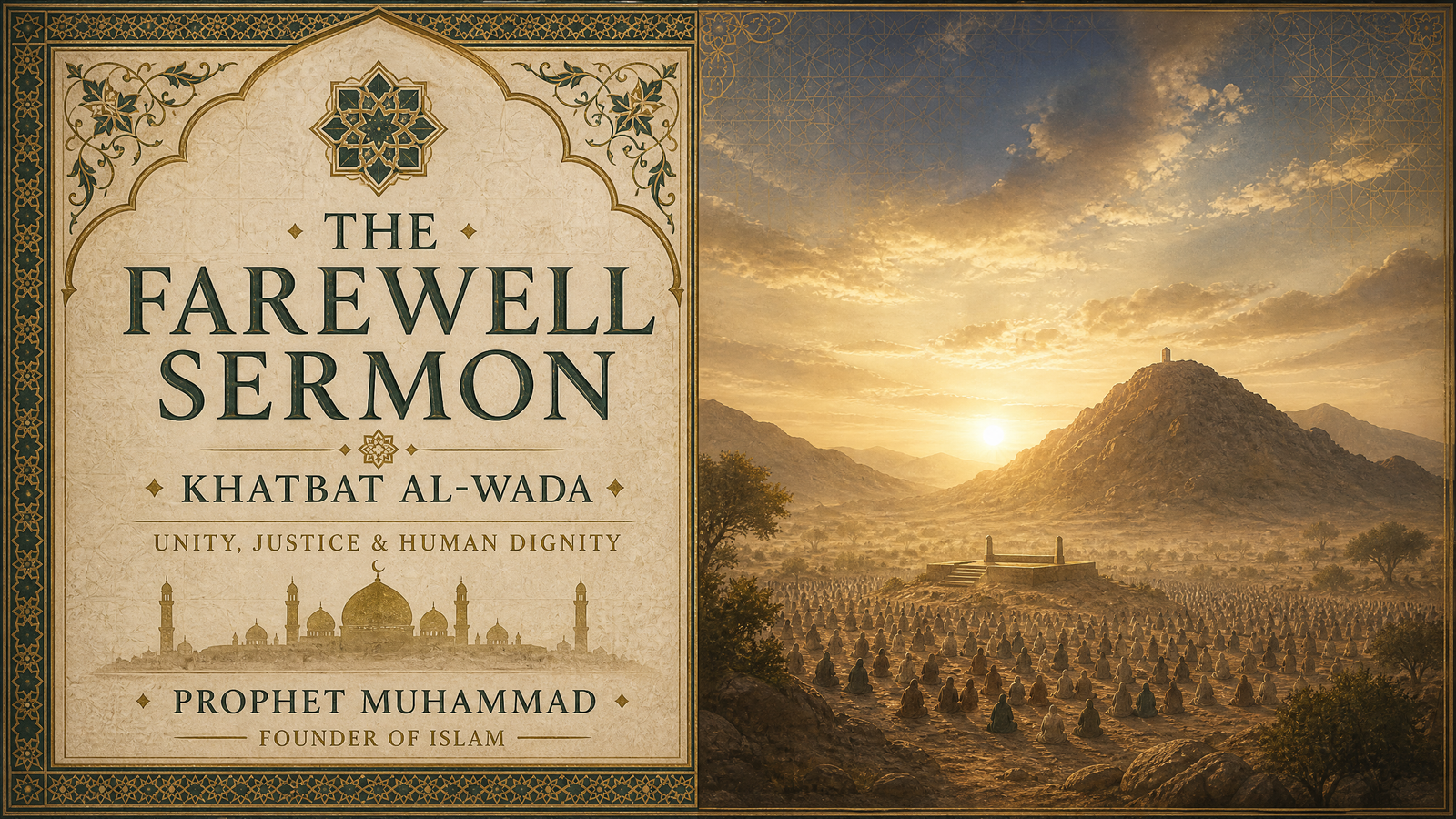
The Farewell Sermon (Khatbat al-Wada)
— Prophet Muhammad (Founder of Islam)
"An Arab has no superiority over a non-Arab nor a non-Arab has any superiority over an Arab."
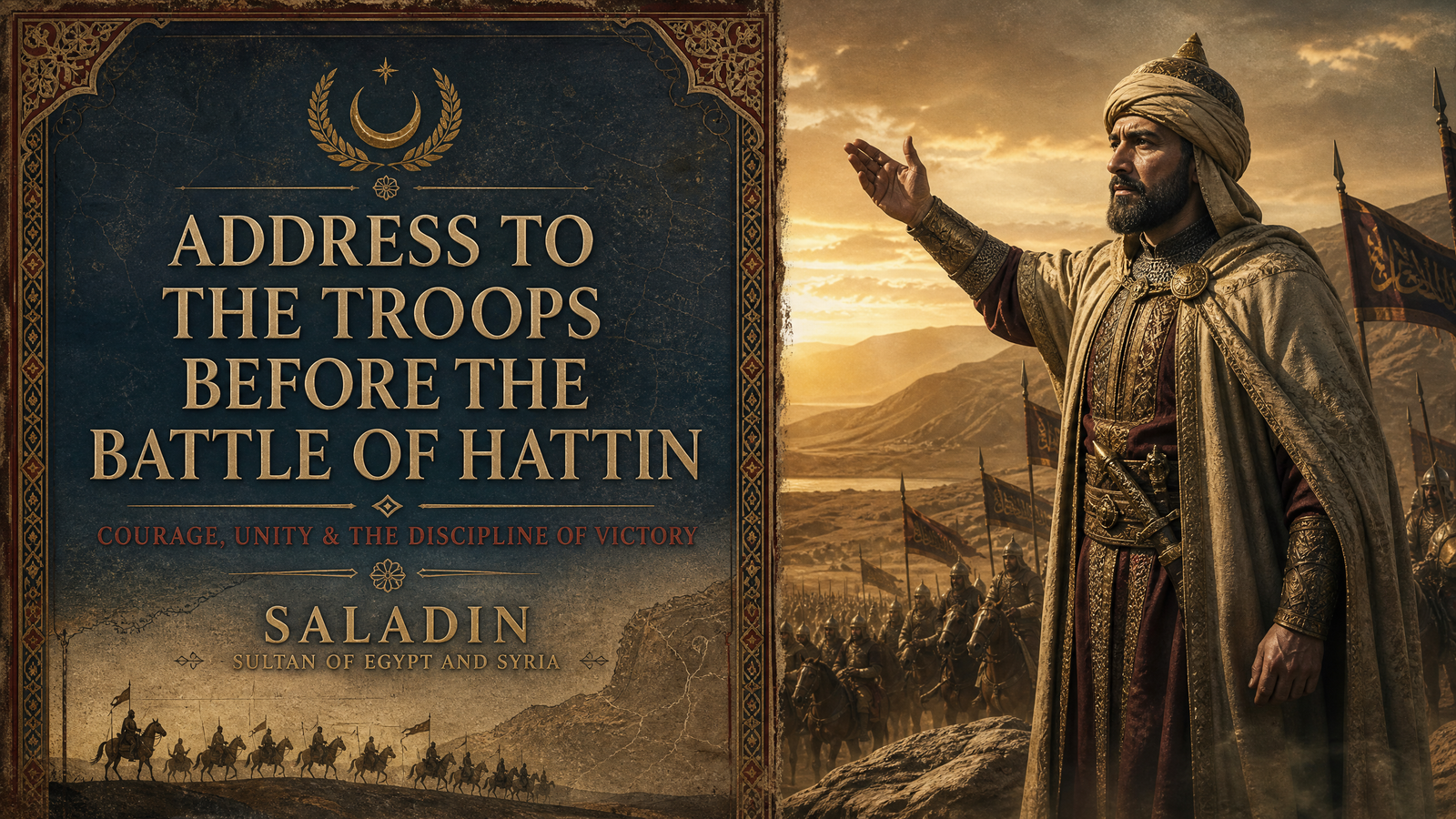
Address to the Troops Before the Battle of Hattin
— Saladin (Sultan of Egypt and Syria)
"Victory is not achieved through numerical superiority, but through unity of spirit, discipline, and steadfast patience under heat and fatigue."
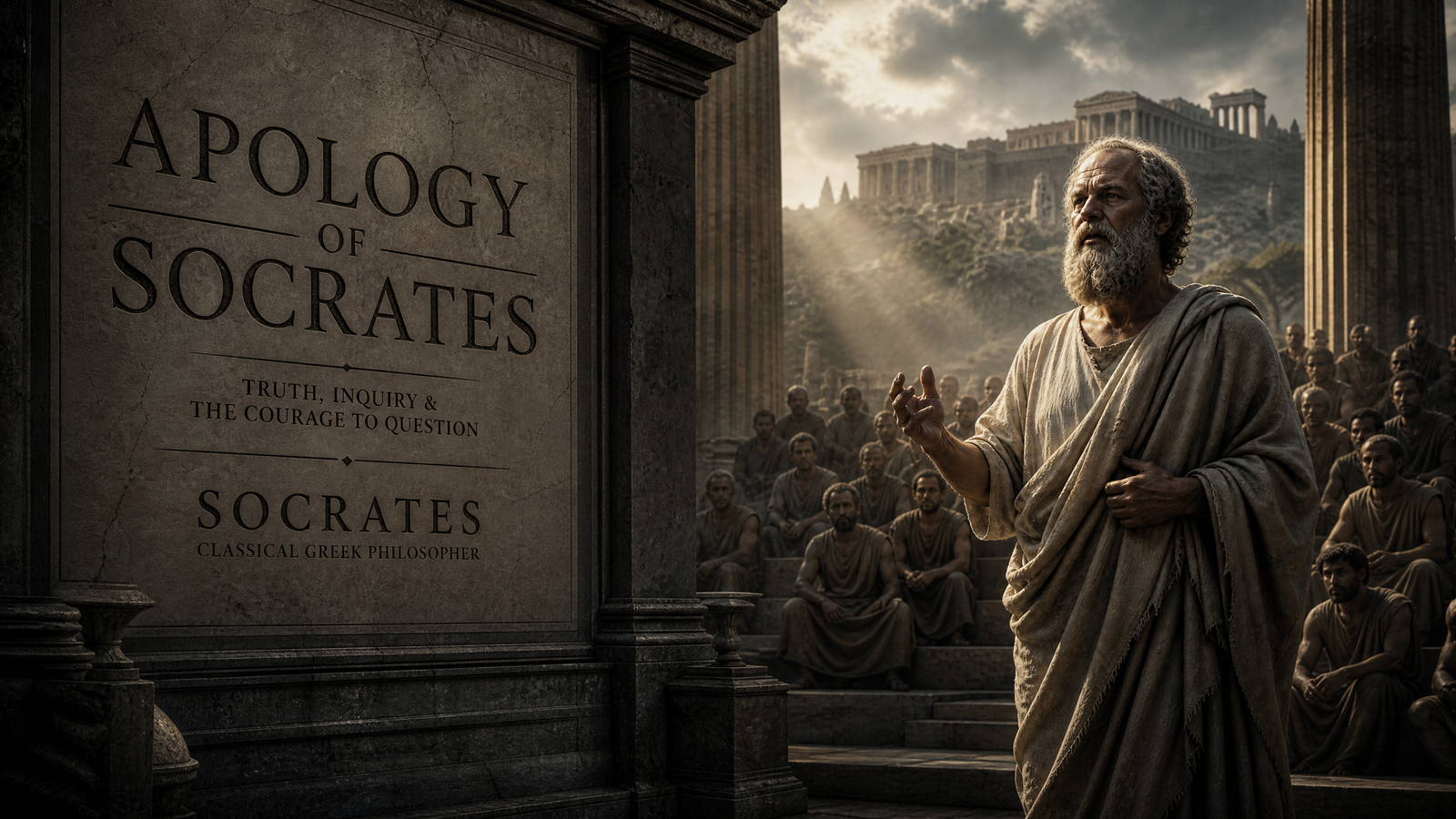
Apology of Socrates
— Socrates (Classical Greek Philosopher)
"The unexamined life is not worth living."